When Grief Is New: How to Choose the Right Burial Site

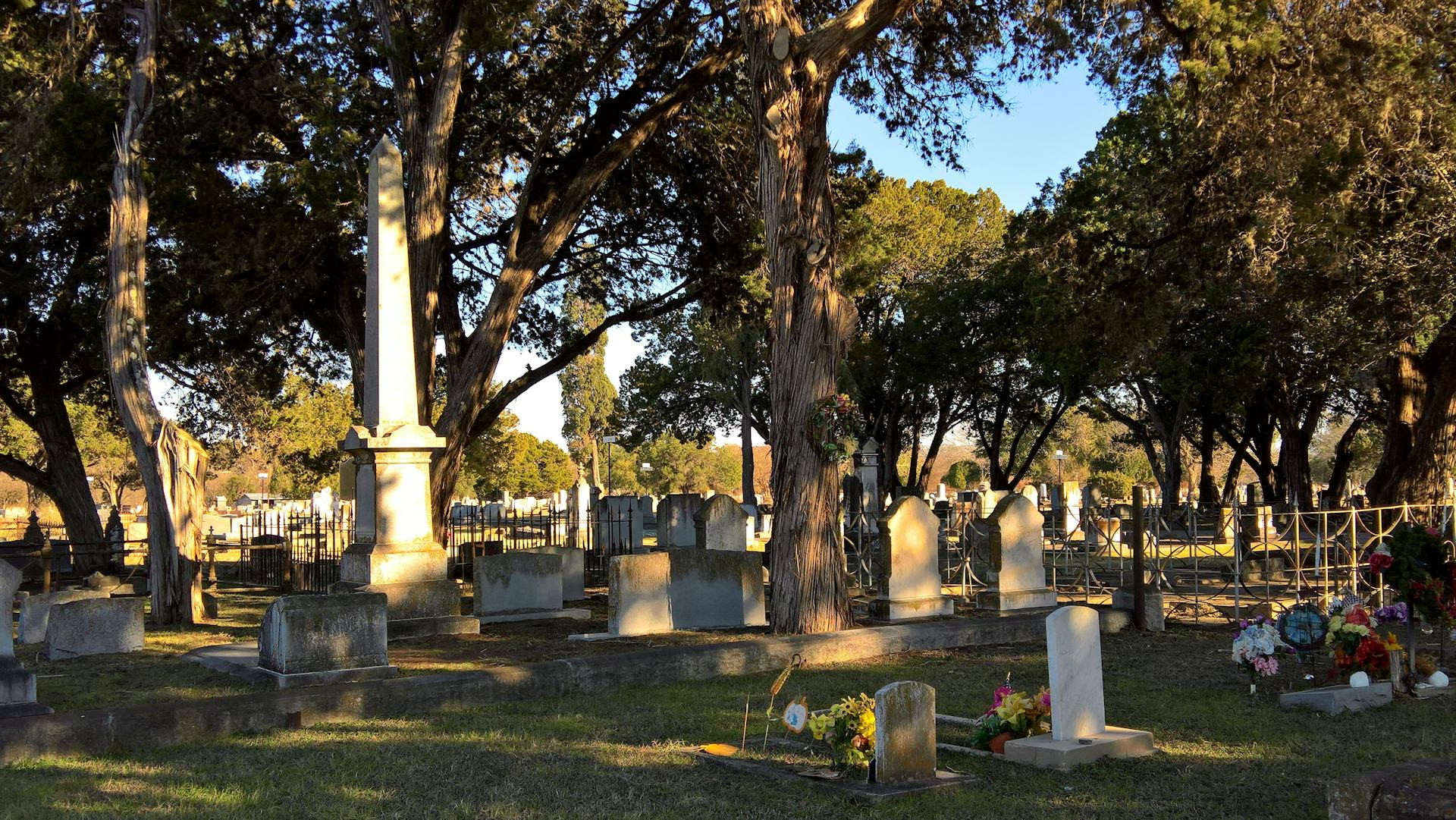
When Grief Is New: How to Choose the Right Burial Site
Losing someone you love brings a wave of emotions and decisions that can feel impossible to face. Among the most personal choices is deciding where your loved one will rest. Choosing a burial site is both a practical and emotional decision — it’s about finding a place that feels right, one that offers peace and meaning for those left behind. Here’s a guide to help you navigate this choice when grief is still new.
Take Your Time — and Seek Support
In the days following a loss, it can feel overwhelming to make decisions about burial arrangements. If possible, give yourself time to talk with family members, a funeral director, or a trusted spiritual advisor. They can help explain your options and guide you through the process with compassion.
If your loved one expressed wishes about burial or cremation, those can serve as a starting point. If not, the decision can reflect both who they were and what your family needs in a place to remember them.
Understanding Different Burial Options
In the United States, there are several types of burial sites, each with its own traditions, costs, and maintenance needs.
- Traditional burial plot – A casket is placed in the ground, often in a cemetery. Plots can be single or double, allowing spouses or family members to be buried together.
- Cremation burial plot or niche – After cremation, ashes can be buried in a smaller plot or placed in a columbarium niche. These options often require less space and maintenance.
- Green or natural burial – A growing choice for those who value environmental sustainability. The body is buried in a biodegradable container, often in a natural setting without embalming or a traditional headstone.
- Mausoleum or above-ground crypt – Some families prefer an above-ground resting place, which can be private or shared within a larger structure.
- Scattering gardens or memorial parks – For those who choose cremation, some cemeteries offer designated areas for scattering ashes, often with a shared memorial marker.
Visiting potential cemeteries or memorial parks can help you get a sense of what feels right. The atmosphere, landscape, and sense of peace can make a difference in your decision.
Location and Maintenance
When choosing a burial site, think not only about how it looks today but also about how it will be cared for in the years to come. Some families want a place they can visit often, while others prefer a site that requires little upkeep.
Consider:
- How close the cemetery is to your home or family members.
- Whether you want a place for regular visits or a more private, natural setting.
- How much maintenance you or your family can realistically manage.
Most cemeteries offer perpetual care or maintenance plans, ensuring the grounds are kept in good condition even if you can’t visit frequently.
Læs også:


Personalizing the Memorial
A headstone or marker is often the most visible tribute to your loved one. It can be simple or elaborate, traditional or modern. Many families choose to reflect the person’s life through the design, material, or inscription.
You don’t have to rush this step. Waiting a few months can give you time to decide on words or symbols that truly capture your loved one’s spirit.
Costs and Legal Considerations
Burial costs vary widely depending on location, type of plot, and services. In the U.S., you typically purchase the burial plot and pay for opening and closing the grave, the marker, and ongoing maintenance. Funeral homes and cemeteries can provide itemized price lists, and it’s okay to ask for estimates before making decisions.
If finances are a concern, some states and nonprofit organizations offer assistance programs. Veterans and their spouses may also be eligible for burial benefits in national or state veterans cemeteries.
A Place for Reflection and Connection
A burial site is more than a final resting place — it’s a space for remembrance, love, and healing. For many, it becomes a place to talk to the person they’ve lost, to leave flowers, or simply to sit in quiet reflection.
There’s no single “right” choice. What matters most is that the place feels meaningful to you and your family — a spot where memories can live on, and where peace can slowly take root in the midst of grief.
Læs også: