Traditions and Rules: How the Local Community Shapes the Design of Headstones

Traditions and Rules: How the Local Community Shapes the Design of Headstones
A headstone is more than a marker of a life lived—it is also a reflection of the traditions, values, and regulations that define the community where it stands. From the choice of stone and symbols to the wording and placement, each element tells a story not only about the individual but also about the local culture. In the United States, where regional history and community identity vary widely, local customs and cemetery rules play a significant role in shaping how headstones are designed.
Local Traditions and Regional Heritage
Across the country, headstone styles often mirror the character of their surroundings. In New England, for example, older cemeteries feature slate stones with carved angels or willow trees—symbols rooted in colonial and Puritan traditions. In the South, marble and limestone markers with ornate script and religious motifs are common, reflecting both craftsmanship and faith. Meanwhile, in the Midwest and West, granite has become the material of choice, valued for its durability and clean lines.
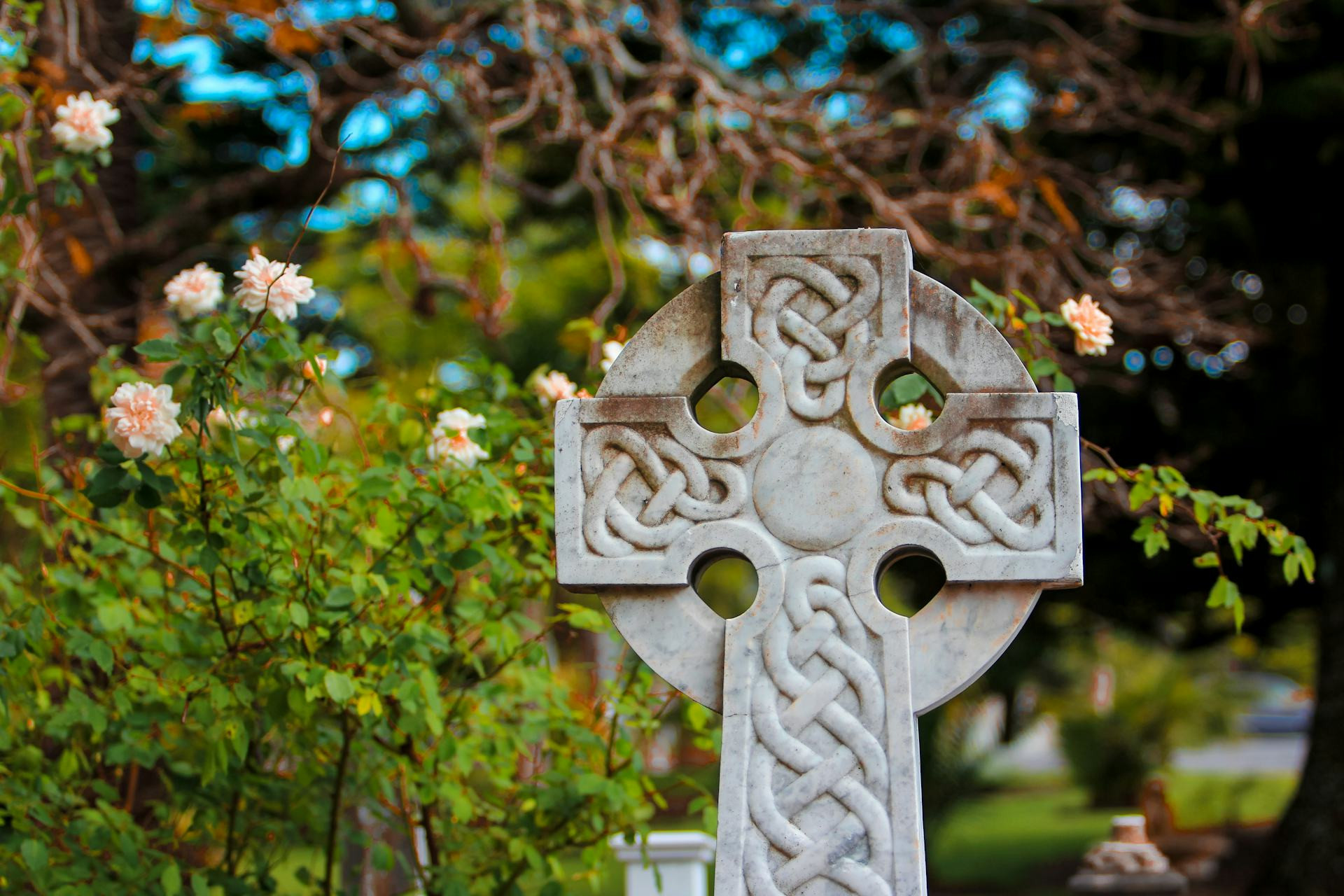
These regional differences are not accidental. They stem from local history, available materials, and cultural influences. Immigrant communities have also left their mark—Celtic crosses in Irish-American cemeteries, or distinctive Eastern European iconography in Orthodox burial grounds. Local stonecutters and artisans often carry on these traditions, ensuring that new headstones harmonize with the cemetery’s established aesthetic.
Cemetery Rules and Community Standards
While families may wish to express individuality through a headstone, every cemetery in the U.S. operates under a set of rules designed to maintain order and respect. These regulations can cover everything from the size and shape of the stone to the type of engraving or decoration allowed. Church-affiliated cemeteries may have stricter guidelines to preserve a uniform appearance, while municipal or private cemeteries might allow more flexibility.
For example, some cemeteries limit the height of upright monuments or require flat markers to simplify maintenance. Others specify approved materials or restrict the use of certain colors or finishes. In newer memorial parks and natural burial grounds, the emphasis is often on simplicity and environmental harmony—headstones must blend into the landscape rather than stand out.
Before installation, most cemeteries require design approval to ensure compliance with their standards. This process reflects a balance between personal expression and collective respect for the shared space.
Symbols and Local Expressions
The imagery and inscriptions on headstones often reveal local identity and personal values. In coastal areas, motifs like anchors, seashells, or lighthouses symbolize guidance and safe passage. In farming regions, wheat sheaves, trees, or tools may represent a connection to the land. Religious symbols—crosses, stars, or hands clasped in prayer—remain common across the country, but their style and prominence can vary by region and denomination.
Some communities have developed distinctive artistic traditions. In the Southwest, for instance, hand-carved sandstone markers or colorful tile inlays reflect Hispanic and Native American influences. In Appalachian cemeteries, folk art carvings and homemade markers tell stories of local craftsmanship and family pride. Each design choice contributes to a visual language that ties the memorial to its place.
Changing Trends and Evolving Norms
As American society changes, so do its memorial traditions. Many families now seek more personalized designs—engraved portraits, favorite quotes, or symbols that capture hobbies and passions. There is also growing interest in sustainable materials and locally sourced stone, reflecting broader environmental awareness.
However, innovation must still fit within local guidelines. Cemetery boards and caretakers often work closely with families and monument makers to find solutions that honor both individuality and community standards. The result is a gradual evolution of style—new ideas introduced thoughtfully, without disrupting the character of the cemetery.
Læs også:


The Community’s Role in Memorial Culture
A cemetery is a shared space where memory, history, and identity intersect. Local communities play a vital role in preserving this space as one of dignity and continuity. Rules and traditions are not merely bureaucratic—they help maintain a sense of harmony and respect for those who came before.
At the same time, American cemeteries are becoming more inclusive, reflecting the nation’s cultural and religious diversity. New sections, interfaith memorials, and flexible design policies are helping communities accommodate a wider range of traditions while maintaining a cohesive environment.
A Shared Expression of Life and Belonging
Whether standing in a small rural churchyard or a sprawling urban cemetery, each headstone tells a dual story: one of an individual life and one of the community that surrounds it. Local customs and regulations shape these memorials, ensuring that they fit into a broader landscape of remembrance.
Choosing a headstone, then, is not only a personal decision but also a participation in a collective tradition. It is in the meeting of private memory and public space that the headstone gains its deeper meaning—as a lasting symbol of life, belonging, and the values of the community it stands within.
Læs også: