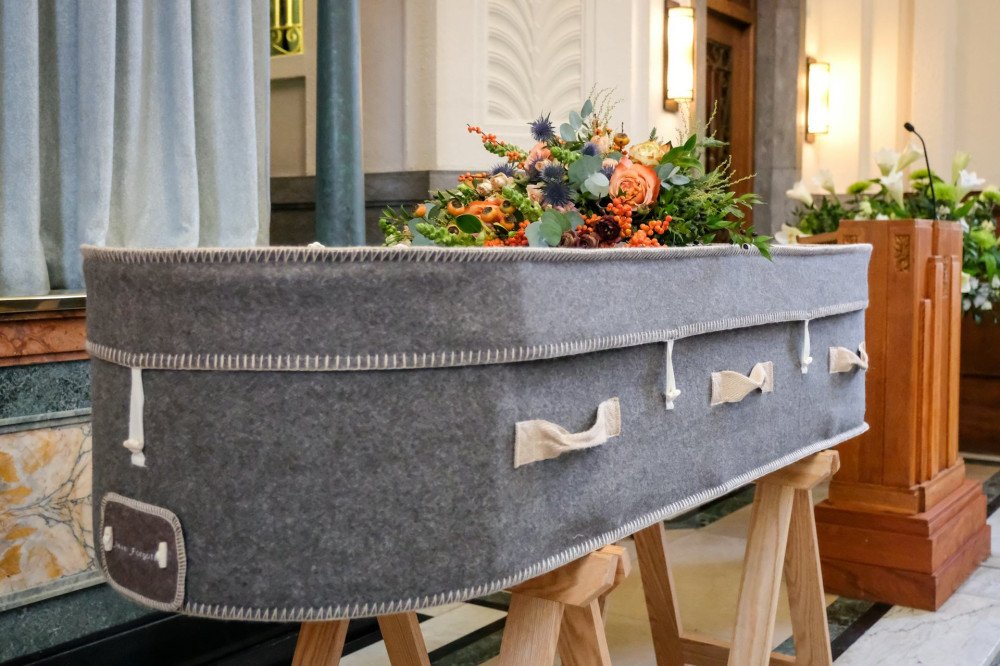
Talking About Death – How to Start the Conversation While There’s Still Time


Talking About Death – How to Start the Conversation While There’s Still Time
For many Americans, talking about death feels uncomfortable, even taboo. Yet having that conversation can bring peace, closeness, and understanding—for both the person nearing the end of life and the loved ones who remain. When we dare to talk about death while there’s still time, we can express what truly matters and make decisions that bring comfort and clarity. Here’s how to begin that conversation with honesty and compassion.
Why Talking About Death Matters
Avoiding the topic of death is common. We don’t want to upset others or seem morbid. But silence can lead to confusion, stress, and missed opportunities for connection. When we speak openly about our wishes and fears, death becomes less frightening—and life more meaningful.
An open conversation can:
- provide clarity about practical matters such as wills, medical care, and funeral preferences,
- create space to express love, gratitude, and forgiveness,
- strengthen family relationships by ensuring everyone understands what’s important to one another.
It’s not about planning for death—it’s about living with awareness that life is finite, and that it’s okay to talk about it.
Finding the Right Time and Place
There’s no perfect moment to talk about death, but some settings make it easier. Choose a calm, private time when you won’t be interrupted—perhaps during a walk, over coffee, or after a meaningful life event that naturally invites reflection.
The key is to make the conversation feel safe and natural, not forced. You might start gently by sharing your own thoughts:
“I’ve been thinking about what I’d want if something happened to me. Have you ever thought about that?”
An open-ended question like this invites dialogue without pressure.
Listen More Than You Speak
When the topic is as sensitive as death, listening is essential. Allow for pauses, tears, and silence. Some people may want to talk about fears or unresolved feelings; others may focus on practical details. Both are important.
Avoid interrupting or rushing to reassure. The most powerful thing you can do is simply be present. Sometimes all that’s needed is:
“I can understand why that would be hard to think about.”
Empathy and presence matter more than perfect words.
Talk About Wishes and Values
Once the conversation begins, it can help to explore what truly matters to each person. This might include preferences for medical care, memorials, or how they want to be remembered. Many find comfort in writing down their wishes—whether in an advance directive, a will, or a simple note to family.
You might ask:
- What’s most important to you if you become seriously ill?
- Is there anything you’d like to say or do while you can?
- How would you like us to remember you?
These questions can feel big, but they open the door to meaningful discussions about values, purpose, and legacy—and can bring a sense of peace and control.
Læs også:



When Death Feels Close
If someone you love is seriously ill, finding the right words can be especially hard. In those moments, focus on being together—listening, sharing memories, and offering comfort. You don’t need to have all the answers. What matters most is your presence.
Many people find that conversations about death naturally become conversations about life. They remind us of what truly counts: love, connection, and time spent together.
Making It Part of Life
Talking about death doesn’t have to be a one-time event. It can be an ongoing conversation that evolves as circumstances and feelings change. Revisiting the topic from time to time helps make it less taboo and more a natural part of how we talk about living.
When we talk about death while there’s still time, we give ourselves and our loved ones a gift: clarity, comfort, and the chance to live more fully—right now.
Læs også: