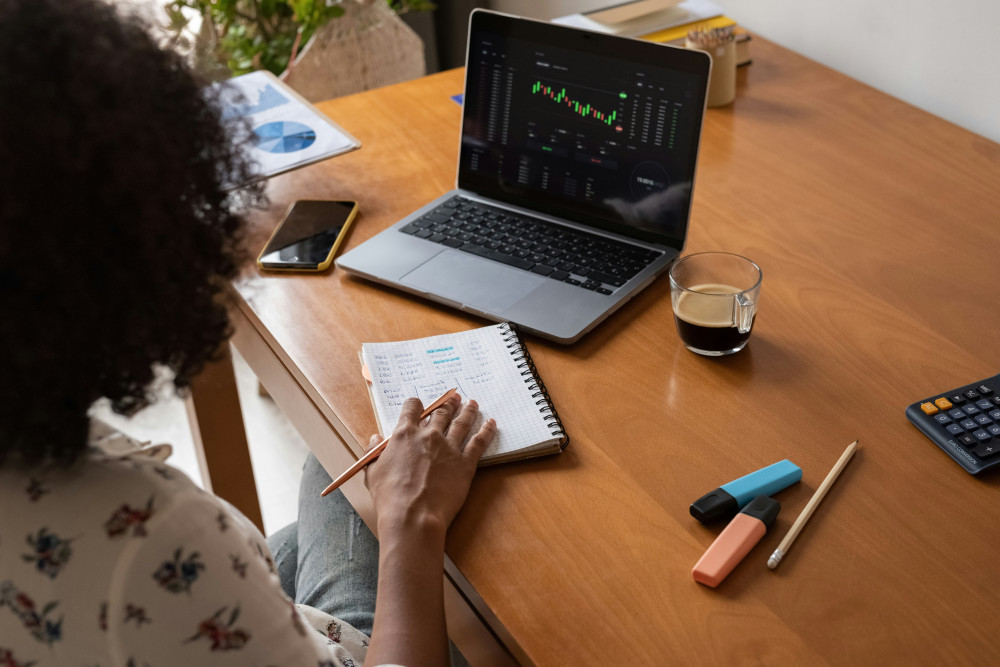
Use Your Budget Wisely – Small Choices, Big Impact


Use Your Budget Wisely – Small Choices, Big Impact
A budget isn’t just about tracking expenses – it’s a tool for creating freedom, clarity, and the ability to make intentional choices. Many people think of budgeting as restrictive, but when used actively, it can actually give you more control and peace of mind. Small adjustments in your daily habits can make a big difference over time, both for your finances and your overall well-being.
From Control to Awareness
A budget is more than a spreadsheet full of numbers – it’s a reflection of your priorities. When you see where your money truly goes, it becomes easier to decide whether your spending aligns with what matters most to you. Maybe you’ll notice that you spend more on takeout, streaming subscriptions, or impulse buys than you realized – and that those dollars could be redirected toward something more meaningful.
Using your budget actively shifts your mindset from “what I can’t do” to “what I choose to do.” It’s not about cutting everything out, but about spending with purpose.
Small Choices, Big Results
Even small changes can have a powerful long-term effect. Here are a few ways to use your budget as a tool for balance and progress:
- Do a weekly money check-in – Spend 10 minutes reviewing how you’re tracking against your budget. It’s easier to make small adjustments along the way than to be surprised at the end of the month.
- Set goals for your money – Whether it’s a vacation, an emergency fund, or paying down debt, having a clear goal makes it easier to say no to things that don’t move you closer to it.
- Automate what you can – Set up automatic transfers to savings or bill accounts each month. This removes the temptation to spend money before it’s set aside.
- Make your spending visible – Use a budgeting app or a simple spreadsheet to categorize your expenses. Seeing where your money goes helps you identify areas to tweak without feeling deprived.
Your Budget as a Source of Motivation
An active budget can also serve as motivation. When you see your savings grow or realize you can afford something you’ve been working toward, it reinforces your progress. Many people find that budgeting brings a sense of freedom rather than restriction.
You can even use your budget to reward yourself. If you’ve cut back on dining out for a month, consider using part of the savings for an experience or treat you truly value. That way, financial awareness becomes a positive habit instead of a burden.
Læs også:




Adjust as Life Changes
A budget shouldn’t be static. Life changes – new jobs, moving, family growth, or shifting priorities – all affect your financial picture. A good budget evolves with you. Review it at least a couple of times a year to make sure it still fits your goals and reflects current prices and needs.
By keeping your budget flexible, you ensure it supports your life rather than limits it.
Everyday Financial Peace
When you use your budget wisely, you gain more than just control over your money – you gain peace of mind. You know where you stand, and you can make choices without guilt or uncertainty. That clarity frees up energy to focus on what truly matters.
In the end, a budget is a tool for balance – between today’s needs and tomorrow’s dreams. And it all starts with small, thoughtful choices that add up to a big impact.
Læs også: