The Details That Complete the Formal Look: Shoes, Belts, and Accessories

The Details That Complete the Formal Look: Shoes, Belts, and Accessories
A formal outfit is more than just a suit. The small details – your shoes, belt, and accessories – are what transform a standard look into one that feels polished and intentional. Whether you’re attending a wedding, a business event, or a black-tie dinner, the right finishing touches bring everything together. Here’s how to choose the details that complete your formal look.
Shoes – The Foundation of a Sharp Appearance
Shoes are often the first thing people notice, and they say a lot about your sense of style. For a classic suit, leather dress shoes in black or dark brown are the safest and most versatile choices. Black shoes pair best with darker suits like navy, charcoal, or black, while brown tones complement lighter shades such as gray, tan, or blue.
The main types of formal shoes include:
- Oxfords – the most formal option, with closed lacing and a sleek, minimal design. Ideal for weddings, interviews, and formal business settings.
- Derbys – slightly more relaxed with open lacing, but still appropriate for most formal occasions.
- Loafers – a modern, comfortable choice that adds a touch of personality, especially in dark brown or black leather.
No matter the style, your shoes should always be well-polished. Even the finest suit loses its impact if your shoes look dull or scuffed. A good shoe polish and brush can make a world of difference.
The Belt – A Subtle but Essential Detail
A belt shouldn’t draw attention, but it should tie your outfit together. The golden rule is simple: your belt should match your shoes in both color and material. If you’re wearing black leather shoes, go for a black leather belt; the same goes for brown tones.
Choose a belt with a simple buckle in silver or brass, and avoid oversized logos or flashy designs that can make the outfit look less formal. The width should be moderate – around 1¼ inches – so it fits neatly through your belt loops and maintains a balanced look.
For very formal occasions, such as black-tie events, suspenders can replace a belt. They not only keep your trousers perfectly in place but also add a refined, vintage-inspired touch.
Læs også:

Accessories – Personality in the Details
Once your shoes and belt are set, accessories are where you can express a bit of individuality. The key is balance: too many can feel overdone, but the right few can elevate your entire look.
- The tie is the centerpiece of most formal outfits. Choose silk or wool depending on the season, and let the color complement your suit. Subtle patterns or solid tones in deep hues work best for formal settings.
- The pocket square adds a hint of personality. It doesn’t need to match your tie exactly – in fact, it often looks better when the colors coordinate without being identical.
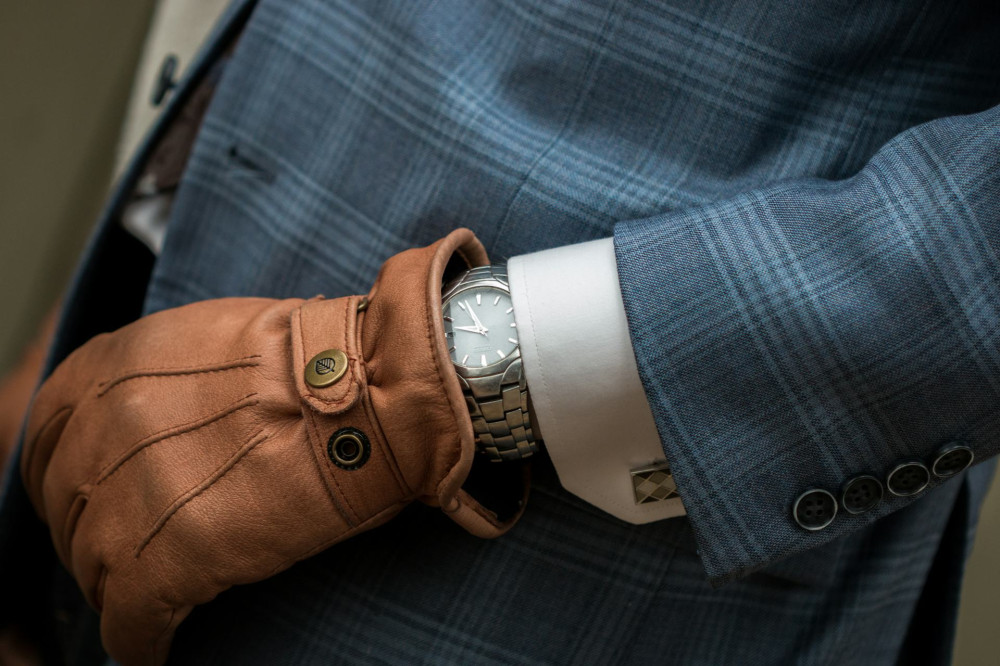
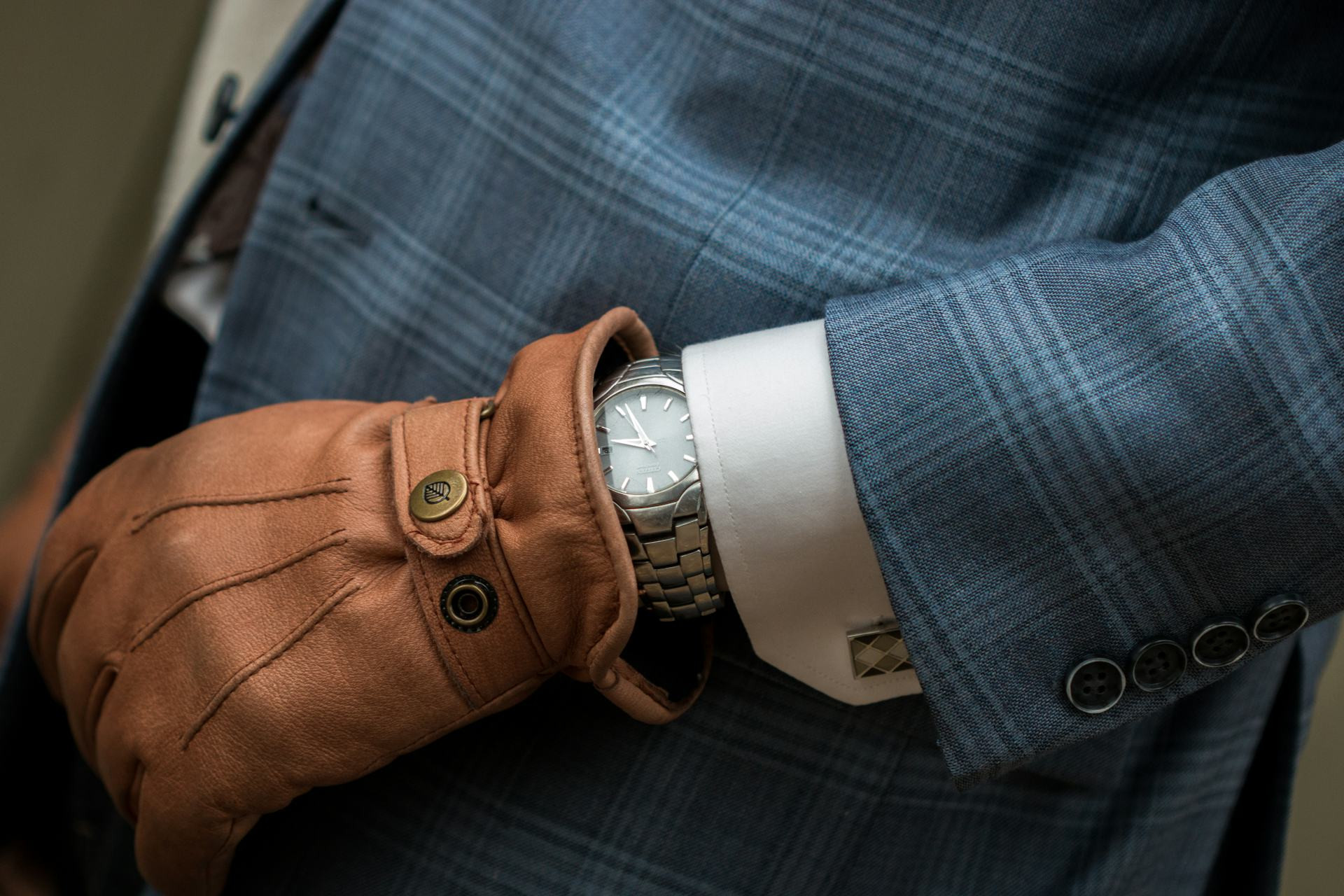
- Cufflinks are the finishing touch for shirts with French cuffs. Classic silver or gold designs are timeless, but you can also choose understated motifs that reflect your style.
- The watch should be simple and elegant. A classic dress watch with a leather strap or metal bracelet fits best with formal attire. Avoid bulky sports watches or digital models.
If you wear jewelry such as rings or bracelets, keep it minimal. The metals of your accessories – belt buckle, watch, cufflinks – should harmonize in tone for a cohesive look.
The Complete Picture – When Everything Works Together
A formal look is all about cohesion. Colors, materials, and proportions should complement one another. A charcoal suit with black shoes, a black belt, and a silver watch creates a timeless, classic impression. A navy suit with brown shoes and a matching belt, paired with a wool tie in warm tones, feels modern yet still refined.
Fit is just as important as accessories. Even the best shoes and tie can’t save a suit that doesn’t fit properly. Make sure your trousers have the right break and your jacket sits naturally on your shoulders.
The Difference Is in the Details
When dressing formally, it’s the small choices that reveal your attention to style. Polished shoes, a matching belt, and carefully chosen accessories show that you’ve considered the whole picture. It’s not about following rules blindly, but about understanding how balance and harmony create elegance.
A formal outfit isn’t just clothing – it’s a statement of respect for the occasion and for yourself. And when every detail works together, the result is unmistakably confident and refined.
Læs også: