Small Changes, Big Difference: How to Make Your Clothes Fit Perfectly


Small Changes, Big Difference: How to Make Your Clothes Fit Perfectly
A great outfit isn’t just about the latest trends or designer labels—it’s about how well your clothes fit. The right fit can make even a simple T-shirt and jeans look polished, while poor fit can make expensive pieces look sloppy. The good news? You don’t need a full wardrobe overhaul to look your best. With a few small adjustments, you can make your clothes feel custom-made.
Know Your Body—and Your Clothes
The first step to a perfect fit is understanding your body shape. Are your shoulders broad? Do you have a long torso or shorter legs? Once you know your proportions, it’s easier to choose clothes that highlight your best features.
- Shoulders and upper body: The shoulder seam of shirts and jackets should sit right at the edge of your shoulder. Too far out, and it looks oversized; too far in, and it feels tight.
- Waist and hips: Pants and skirts should fit snugly without pinching. If you’re constantly adjusting your waistband, the size or cut might be off.
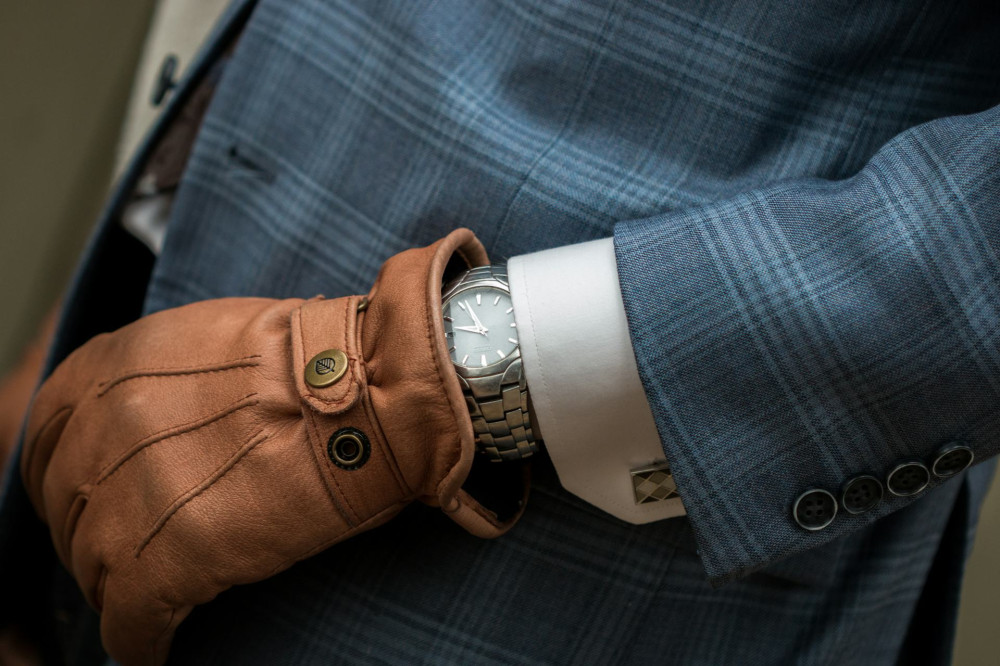
- Length: Sleeves should end at your wrist bone, and pant legs should just graze the top of your shoes. A simple hem adjustment can make a huge difference.
Knowing your measurements—and keeping them handy when shopping—helps you find pieces that fit better from the start.
Make the Tailor Your Secret Weapon
Tailoring isn’t just for suits. A skilled tailor can tweak almost any garment to fit you perfectly. A few small changes can completely transform how something looks and feels.
- Pants: Have them hemmed to the right length or take in the waist for a cleaner fit.
- Shirts and blouses: Taking in the sides can create a more flattering silhouette.
- Dresses and jackets: Adjusting the shoulders or sleeves can make them look like they were made just for you.
Tailoring is often more affordable than you might think, and it extends the life of your clothes—because when something fits well, you’ll actually want to wear it.
Choose Fabrics That Work With You
Some fabrics are naturally more forgiving. Stretch blends like cotton with spandex or wool with a bit of elastane move with your body and stay comfortable all day. Stiffer fabrics like linen or raw denim, on the other hand, require a more precise fit.
When trying on clothes, move around—sit, raise your arms, take a few steps. If it feels good in motion, it’ll feel good in real life. Comfort and fit go hand in hand.
Pay Attention to the Details
It’s often the small details that reveal whether something truly fits:
- Pulling buttons: A sign that the garment is too tight.
- Unwanted wrinkles or folds: These can indicate that the cut doesn’t match your body shape.
- Excess fabric in the back: Common in pants and jackets, and easily fixed by a tailor.
Check yourself in a full-length mirror from multiple angles—or take a quick photo. Seeing yourself from a different perspective helps you spot what needs adjusting.
Læs også:


Let the Clothes Fit You—Not the Other Way Around
It’s easy to think you need to change your body to fit into certain clothes, but it’s really the clothes that should adapt to you. Instead of chasing every trend, focus on cuts and colors that flatter your shape and reflect your personality.
A well-fitted wardrobe built around a few key pieces—a great pair of pants, a tailored jacket, a crisp shirt, and a dress that fits just right—can be mixed and matched endlessly. It’s a confidence boost that shows in everything you do.
Small Adjustments, Big Impact
Perfect fit isn’t about perfection—it’s about refinement. A hem here, a nip there, and suddenly your clothes feel like an extension of you. Those subtle details are what make people think, “Something about that outfit just works.” And that’s the power of small changes making a big difference.
Læs også: