The Secrets of Taste: How Temperature and Texture Shape Your Flavor Experience

The Secrets of Taste: How Temperature and Texture Shape Your Flavor Experience
When you take the first bite of a dish, it’s not just the ingredients that determine how it tastes. Temperature and texture play a much bigger role than most people realize. A scoop of ice cream, a crispy crust, or a silky soup can completely change how your taste buds and senses perceive flavor. Let’s explore how temperature and texture shape your flavor experience—and how you can use that knowledge to elevate your own cooking.
Temperature: When Heat and Cold Change the Flavor Balance
Temperature affects both how flavor compounds are released and how our senses register them. In general, warmth enhances aromas, while cold tends to mute them.
- Warm foods like soups, stews, and baked goods release aromatic molecules that stimulate our sense of smell—and since smell is a major part of taste, this intensifies the overall experience. That’s why a warm cinnamon roll smells and tastes richer than one that’s cooled down.
- Cold foods like ice cream, salads, and chilled drinks suppress sweetness and aroma. That’s why ice cream recipes often call for more sugar than cakes—to compensate for the dulling effect of cold.
- Temperature contrasts can create excitement in the mouth. Think of a warm chocolate lava cake paired with cold vanilla ice cream—the interplay between hot and cold makes the experience more dynamic and memorable.
Even small temperature differences can change how we perceive flavor. A wine served too cold can taste flat, while cheese straight from the fridge loses its aroma and creaminess. Getting the serving temperature right can make all the difference.
Texture: When the Mouth Feels the Flavor
Texture—often called “mouthfeel”—is the sensory experience of how food feels as we chew and taste it. It includes everything from crunchiness and creaminess to chewiness and fluffiness. Our brains link texture closely with flavor, and often it’s texture that determines whether we find something delicious or disappointing.
- Crispy and crunchy textures signal freshness and quality. A crisp crust on bread or a crunch in a salad adds contrast and satisfaction.
- Soft and creamy textures evoke comfort and richness. That’s why we turn to soups, mashed potatoes, or creamy sauces when we crave something soothing.
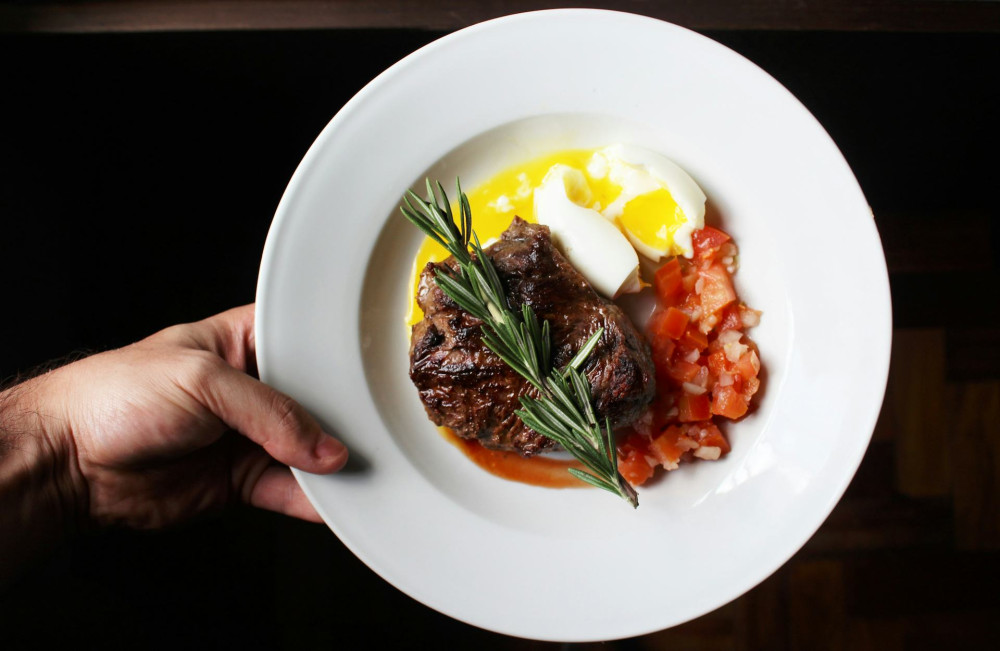
- Chewy or firm textures add resistance and intensity—like biting into a perfectly seared steak or a caramelized crust.
Texture also influences how flavors are released. A light mousse releases aromas faster than a dense custard, while fats in food can trap flavor compounds and create a longer-lasting aftertaste.
Læs også:

The Interaction Between Temperature and Texture
When temperature and texture come together, that’s where the magic happens. A dish can change character completely if just one of these factors shifts. Cold mashed potatoes feel heavy and sticky, while the same potatoes served warm and whipped feel light and buttery. A piece of chocolate melts differently—and tastes different—depending on whether it’s room temperature or straight from the fridge.
Chefs and food scientists intentionally play with this interaction. They know that the right balance between temperature and texture can transform a simple dish into a sensory experience. It’s all about contrast—something crisp against something smooth, something warm against something cool.
How to Use This Knowledge at Home
You don’t need to be a professional chef to use temperature and texture to your advantage. Here are a few simple ways to start:
- Let food rest – Many dishes taste better when they’re not piping hot. A few minutes of cooling allows your taste buds to pick up more subtle flavors.
- Think in contrasts – Combine crisp and soft, warm and cold. A salad with roasted vegetables or a dessert with both crunch and cream adds depth and interest.
- Mind the serving temperature – Especially for wine, cheese, and desserts. The right temperature can dramatically enhance flavor.
- Experiment with texture – Add toasted nuts, fresh herbs, or a crunchy topping to bring your dishes to life.
Once you start paying attention to how temperature and texture affect flavor, a whole new dimension of cooking opens up. It’s not just about following recipes—it’s about understanding how your senses work together.
Taste Is More Than Just Taste
Flavor is a full-body experience, where all the senses interact in a complex dance. Temperature awakens aroma, texture engages touch, and the brain weaves it all into one unified perception. When you understand these mechanisms, you’re not just cooking—you’re creating experiences.
Læs også: